
A May 17 release built from the actual Chapter 70 math, with five structural fixes, fiscal pay-fors, and district impact projections.
Nathan Boudreau released a structural Chapter 70 reform package built to close school-funding gaps across Gardner, Ashburnham, Templeton, and Winchendon.
The release argues that these are formula design failures, not one-year appropriation problems.
Nathan Boudreau today released a comprehensive policy package aimed at addressing structural inequities in the Chapter 70 school aid formula.
The work grew out of a direct review of the actual formula — foundation budget, Combined Effort Yield, hold-harmless mechanics, and required local contribution — to understand what the current system is doing to Gardner, Ashburnham, Templeton, and Winchendon.
The package includes five proposed amendments, draft statutory language, and district-level fiscal projections.
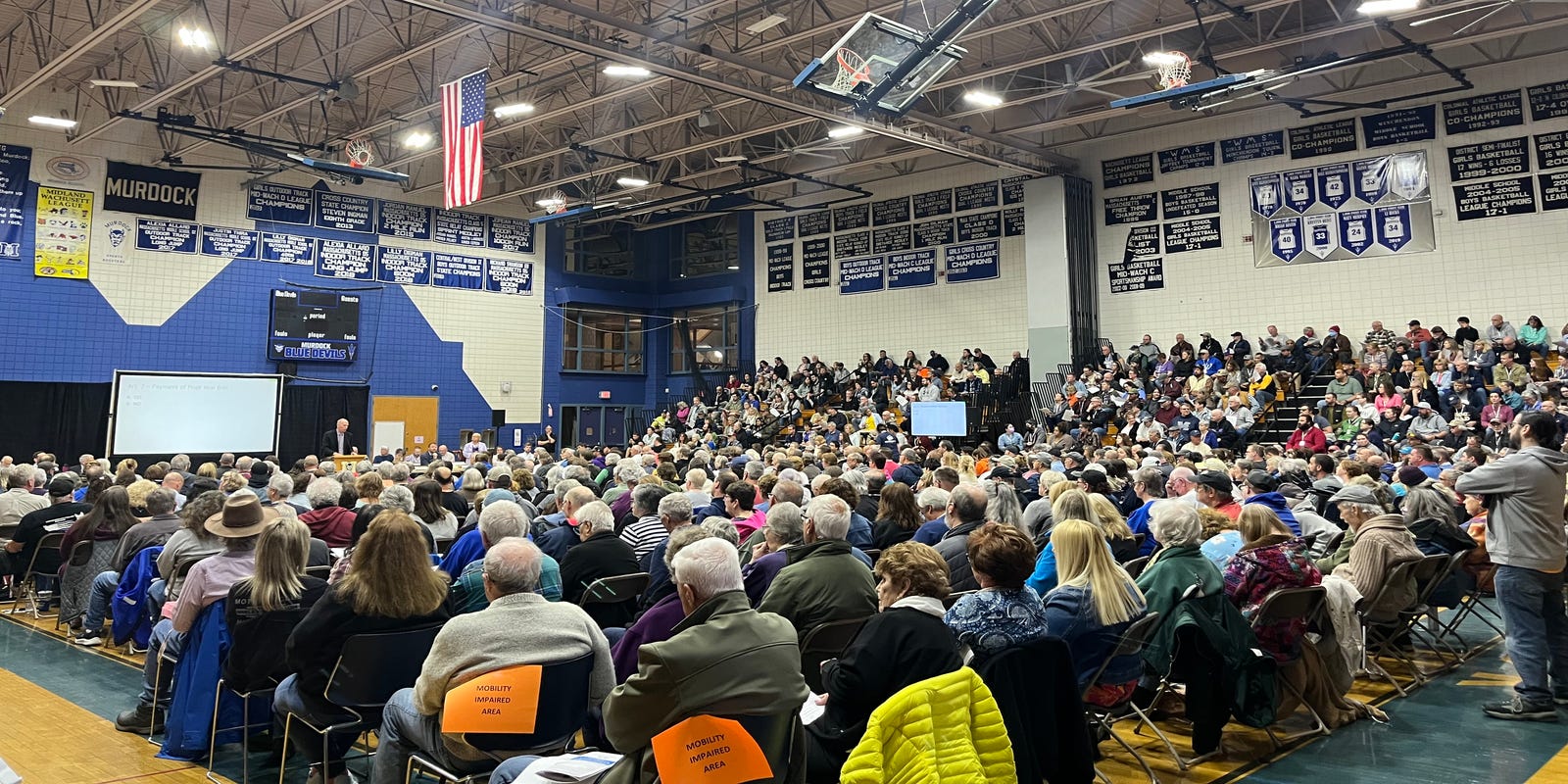
Templeton's May 18 override vote shows how quickly structural school-funding pressure turns into real decisions about services, staffing, and tax capacity across the district.
At the center of the package is a conflict between formula-calculated local contributions and actual levy growth under Proposition 2 1/2. The proposal would cap annual required local contribution increases at a municipality's real levy growth capacity, with the state covering the difference through additional Chapter 70 aid.
The release argues that structural funding gaps cannot be solved through line-item increases alone. Instead, it would embed corrective mechanisms directly into the formula so district stability does not depend on one-time appropriations or annual improvisation.
What the release argues
The current budget debate is not centered on these structural fixes.
After reviewing amendments filed across the last three budget cycles, Boudreau concluded that these proposals remain largely outside the current debate. The release distinguishes this package from one-time study commissions by focusing on immediate, formula-embedded reforms.
Local override pressure shows the district impact in real time.
Templeton's override vote is the clearest example in the release, but the same structural pressure also affects Gardner, Ashburnham, and Winchendon as school costs, municipal services, and tax capacity all tighten at once.
The formula problem is tied to Proposition 2 1/2 reality.
The proposal says required local contribution growth can outrun the real levy growth capacity available to municipalities. The package would cap that annual increase at actual levy growth and have the state cover the remaining gap through Chapter 70 aid.
These are formula design failures, not just budget-year shortfalls.
The release argues that the problem is structural: costs do not scale neatly with enrollment, purchasing power erodes when aid is frozen in nominal terms, and towns are pushed into local trade-offs because the formula was not built for communities like these.
What was delivered
Legislative posture
The package is designed to complement current Senate Ways and Means efforts, including the FY2027 Senate budget's move to reconvene the Foundation Budget Review Commission.
If adopted in this cycle, the amendments would provide an immediate path toward structural correction. If taken up later, the package is intended to serve as a practical foundation for the commission's next round of work.
The five amendments — Hold-Harmless Transparency, Enrollment Smoothing, RLC Growth Cap, Inflation-Indexed Minimum Aid, and Mandatory Formula Review — are written as direct formula fixes rather than another round of delay.
The closest alternatives remain one-time study proposals that do not put these reforms into the formula itself.